
YOUR BUSINESS AUTHORITY
Springfield, MO
YOUR BUSINESS AUTHORITY
Springfield, MO
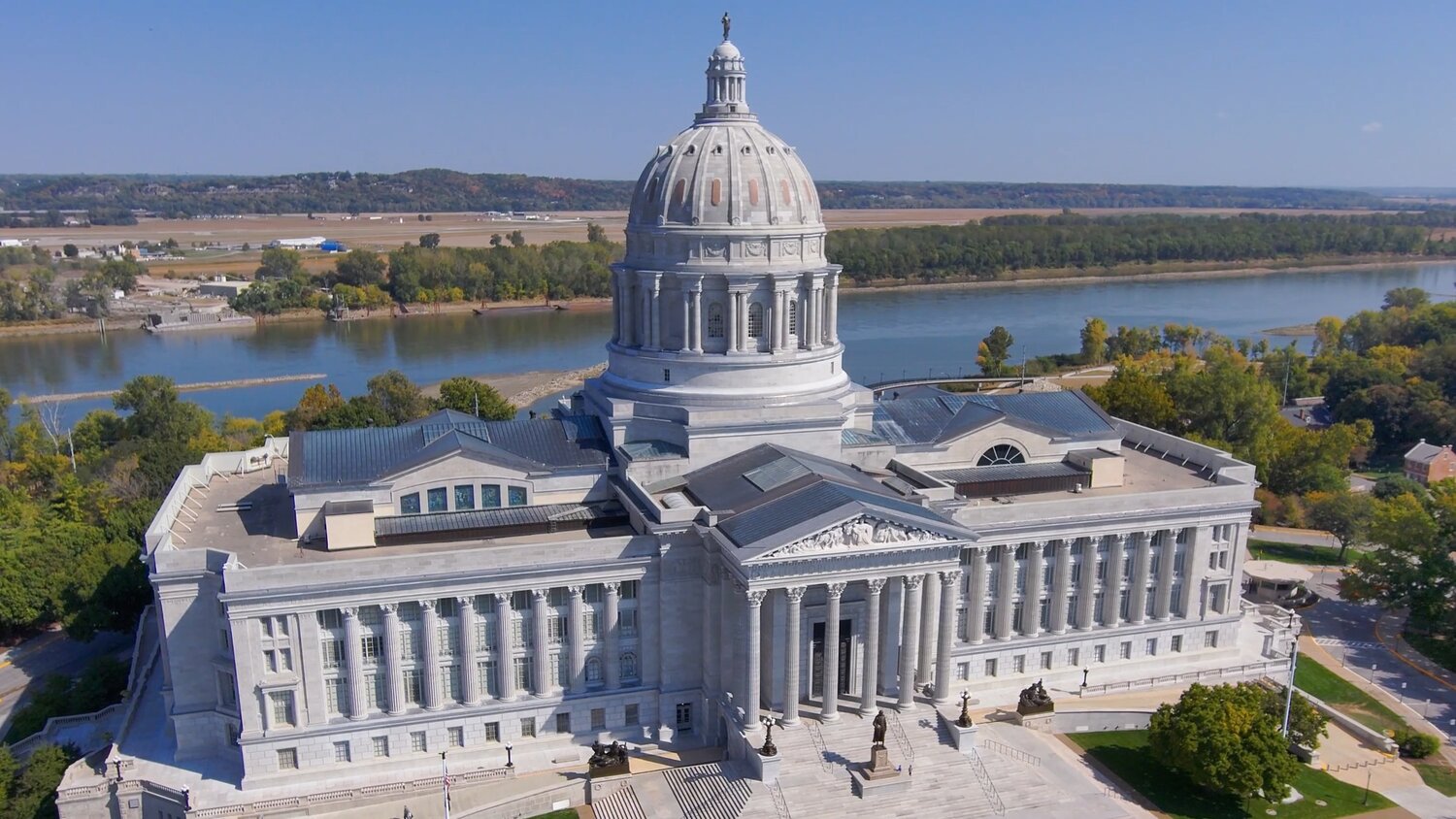
Unlike legislative sessions marred by contentious debates and political standoffs in recent years, the Missouri General Assembly ended the 2026 session on May 15 with little fanfare.
State lawmakers passed 100 bills during the session, according to Missouri House Communications, a notable increase from the 67 pieces of legislation approved in 2025. It was more than double the total of the 46 bills passed in 2024, which, when not including the 18 budgetary bills, was considered by state officials as a modern-day low, according to past Springfield Business Journal reporting.
Sixteen of this year’s bills comprise the $50.7 billion budget sent May 7 for Gov. Mike Kehoe to review for fiscal 2027. The budget allocates $48.7 billion to state government operations in the coming year, with another $2 billion appropriated for construction and building maintenance.
In a May 14 news conference with Kehoe that was streamed on his office’s Facebook page, the governor said the legislative session “was productive and resulted in monumental wins for many Missourians.”
Among wins Kehoe pointed to was legislation passed last month that will allows Missouri voters to decide whether to incrementally eliminate state income taxes and grant lawmakers power to increase and expand the sales tax. The issue was considered Kehoe’s top legislative priority this session. The governor must decide if the issue will appear on the Aug. 4 primary ballot or wait until the Nov. 3 general election. The final certification date for the Aug. 4 ballot is May 26.
“This is a transformational moment for our state, and it’s about more than just taxes,” Kehoe said, adding a decision on when the issue will run is still to be determined. “It’s about growth. It’s really about competitiveness, and it’s about sending a message across the country that Missouri will compete and Missouri will win.”
Opponents have argued the plan will shift costs onto seniors and low-income Missourians who rely on services that could be taxed. A lawsuit was filed in Cole County earlier this month after lawmakers approved the proposal. It argues the issue is constitutionally defective and should be blocked from a ballot. In the alternative, the lawsuit asks the court to rewrite the summary statement that would appear before voters, according to media reports.
Part of the next state budget includes a reappropriation of $30 million in convention and events center funding to the city of Springfield. The reappropriation is part of an act appropriating money for capital improvements for state government departments and offices and their programs, according to past SBJ reporting. Springfield city officials say the $30 million will still be on withhold, as it was in the fiscal 2026 budget. That means it will still require a release of funds by the governor.
Business bills
On the business front, bills covering economic development and legal protections for companies were among those passed.
House Bill 3231 created an additional capital investment tax credit component within the Missouri Works program, which awards withholdings or tax credits in exchange for job creation. The legislation allows qualified companies as of Jan. 1, 2027, to receive tax credits if the state Department of Economic Development approves a benefit proposal and the company makes at least $30 million in new capital investments within two years within a certified Missouri Innovation Zone, or at least $50 million if outside the zone, according to bill language. The credit may not exceed 2.5% of new capital investment made at the project facility during a three-year period following a notice of intent submission.
Kehoe said the bill allows capital investment projects to continue strengthening the state’s workforce and economy through revitalization efforts.
“Economic development is not just about bringing jobs here, it’s about creating long-term opportunities for Missouri families and ensuring our state remains competitive nationally and globally,” he said.
Additionally, Kehoe has signed Senate Bill 907, which protects businesses from minor violations of the Americans with Disabilities Act on their websites. The Act Against Abusive Website and Web Content Litigation gives businesses 90 days to fix their websites after receiving a noncompliance warning. After that, a lawsuit could be filed.
Kehoe also has signed House Bill 2641 into law, which places restrictions on intoxicating hemp products. Sales of the products will be limited to state-licensed marijuana dispensaries. It prohibits non-licensed entities, such as convenience stores, from selling intoxicating hemp products. It would also restrict the sale of the products to licensed marijuana dispensaries if Congress reverses the federal ban, as well as require non-licensed entities to discontinue the manufacturing or sale of hemp-derived cannabinoid products. The legislation goes into effect Nov. 12.
“Missourians deserve to know that products sold in their communities are safe, transparent and properly regulated,” he said.
Session shortcomings
Among failures in the legislature was property tax relief, for which the House and Senate each passed bills requiring separate tax rates for residential, commercial, agricultural, personal and infrastructure. The bills were designed to avoid shifting the burden when one property tax subclass rose in value quicker than others, according to reporting from the Missouri Independent.
However, the chambers were unable to reconcile differences in the bills before session’s end.
Additionally, a pair of bills aiming to modify definitions and regulations related to pharmacy benefit managers failed to reach debate in the House or Senate this session. PBMs serve as intermediaries between prescription drug manufacturers and health insurance providers.
A bill seeking to create an A-to-F scale for grading public schools also didn’t make it to the finish line this session.
As for the fiscal 2027 budget, Kehoe still has several weeks to review the legislation. He said May 14 that it was still too early for him to say what potential vetoes may be coming.
“It’s big, as you know, a lot of items and a lot of complexities in it,” he said. “So, we don’t have any decisions on what will stay or not stay, but we’ll be looking at it closely.”


The new Bingham Elementary School, along with plans to renovate and increase the size of Bissett Elementary, wasn’t part of the original list of projects encompassed by Proposition S, a $220 million bond issue by Springfield Public Schools approved by city voters in April 2023.
East Sunshine Street improvements to start Nov. 2
FTC, 20 states sue Dollar General
Data center definitions, delay bills debated at Springfield council
Ice cream novelty maker to close Brentwood operation, lay off 107
Poll: Who's got your vote for the District 30 seat in the state Senate?
